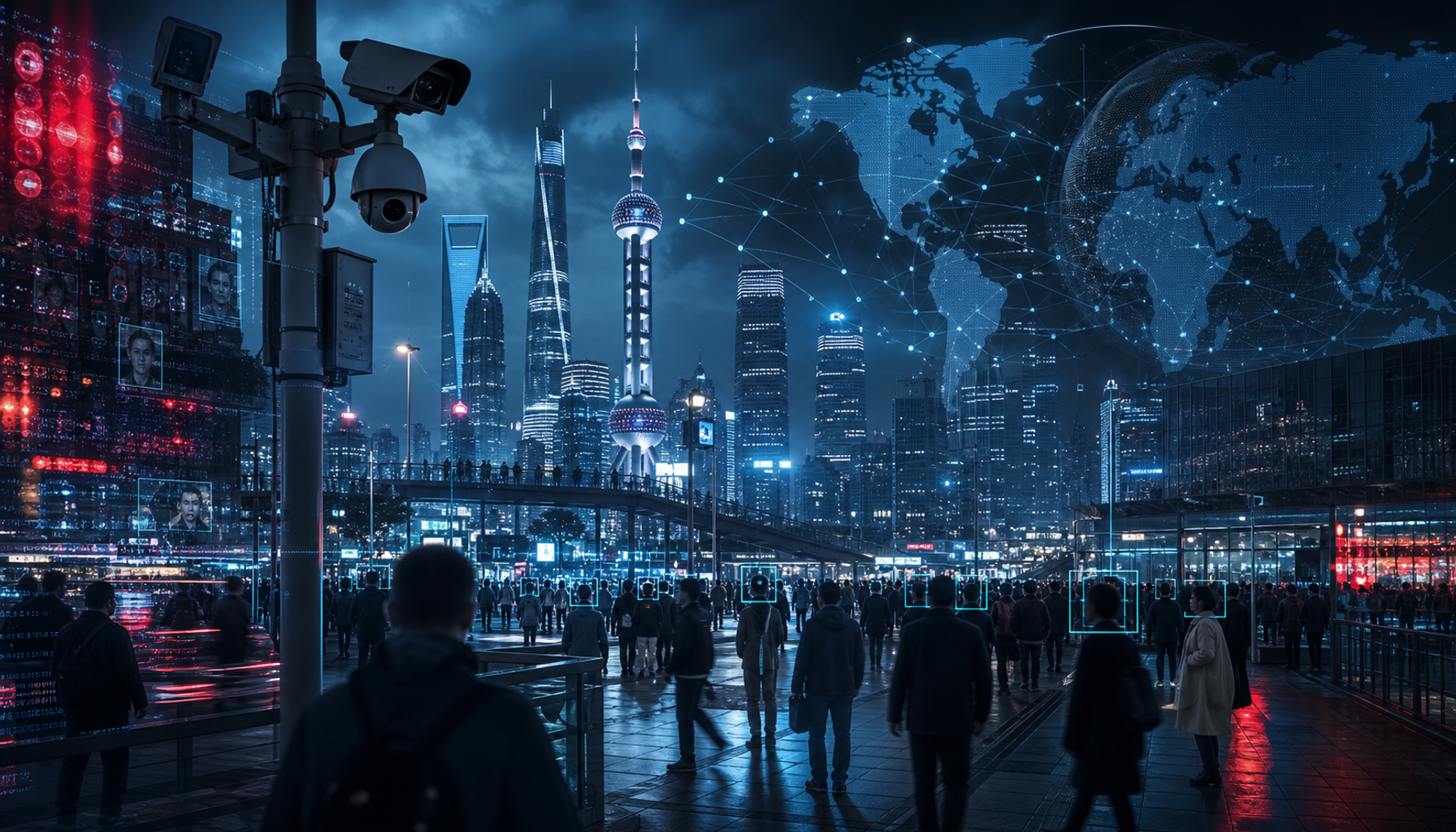
China’s Use of AI for Predictive Surveillance
China has increasingly integrated artificial intelligence (AI) into its surveillance systems, leveraging technology to enhance state control and monitor its citizens. This article outlines the key aspects of how China is weaponizing AI for predictive surveillance, its implications, and the global response.
AI Surveillance Technology in China
China’s surveillance infrastructure is one of the most advanced in the world, utilizing AI to analyze vast amounts of data collected from various sources, including cameras, social media, and mobile devices. The government employs facial recognition technology, behavior prediction algorithms, and big data analytics to monitor and control the population.
-
Facial Recognition: The Chinese government has deployed millions of cameras equipped with facial recognition capabilities across urban areas. This technology allows for real-time identification of individuals, which is used to track movements and behaviors.
-
Predictive Policing: AI algorithms analyze data to predict potential criminal activities before they occur. This approach has raised concerns about privacy violations and the potential for wrongful accusations based on algorithmic biases.
-
Social Credit System: AI plays a crucial role in China’s social credit system, which monitors citizens’ behaviors and assigns scores based on their actions. This system can restrict access to services for those with low scores, effectively controlling social behavior.
Implications of AI Surveillance
The implications of China’s AI surveillance extend beyond its borders, influencing global norms around privacy and state control.
-
Human Rights Concerns: The extensive use of surveillance technology raises significant human rights issues, including the right to privacy and freedom of expression. Critics argue that such systems can lead to oppression and discrimination, particularly against minority groups.
-
Global Influence: China’s model of surveillance is being studied and, in some cases, adopted by other countries. This trend poses a challenge to democratic values and raises concerns about the export of authoritarian practices.
-
Technological Arms Race: The development of AI surveillance technologies has sparked a technological arms race, with countries investing heavily in similar capabilities to enhance national security and control.
International Response
The international community has begun to respond to China’s AI surveillance practices, with calls for regulations and ethical guidelines surrounding the use of AI in surveillance.
-
Legislative Actions: Some countries are considering or have implemented laws to limit the use of facial recognition technology and other surveillance tools, emphasizing the need for transparency and accountability.
-
Public Awareness: Advocacy groups are working to raise awareness about the implications of AI surveillance, pushing for greater public discourse on privacy rights and the ethical use of technology.
References
- Brookings Institution. (2021). China’s use of AI in surveillance and its global implications.
- CNBC. (2021). China uses AI to monitor citizens amid pandemic.
- Reuters. (2023). China uses AI surveillance technology.
- Washington Post. (2023). China’s AI surveillance technology.
This article highlights the significant role of AI in China’s surveillance strategies and the broader implications for global privacy and human rights.